Hari Kondabolu on Confronting Racism, Rage, and Solidarity

Hari Kondabolu on Confronting Racism, Rage, and Solidarity

Comedian Hari Kondabolu shares a powerful story about confronting racism on stage — and how rage, deep listening, and solidarity can transform harm into healing.

Revolutionary Love teaches us: rage is how we protect what we love, deep listening is how we surrender to one another, and fighting is how we show up for those in harm’s way. As part of the Revolutionary Love Bus Tour, we asked activists, artists, and community leaders one question: “When did an act of love change everything?”

Reflection: Who might you be in this story today?
💬 The one learning to rage safely?
💬 The one learning to listen deeply?
💬 The one learning to fight for others and be a better accomplice?

I was performing at the Edinburgh Fringe Festival in 2011, and I was one of the few people of color in that city for that month—because the rumors were, in fact, true that it stopped this very well.

And so I was performing every night, very late at night. One night I was doing my show, and I thought I heard a racist heckle. And I just imploded—just exploded with anger. I don’t remember everything I said, but I do remember discovering that when a comedian threatens members of the audience with violence, it really kills the mood.

I was just going off on what had just been said to me. Then all of a sudden, audience members started yelling out like, “That’s not what she said!” First, I didn’t even know it was a she. I didn’t know who it was. I just heard something that had set me off. They told me what had been said, and it wasn’t particularly useful—but it wasn’t racist.

And I was horrified, right? So I tried to explain to the audience why that happened and how I had been used to this. It was 2011—it had been a decade at that point performing—and I had gotten used to audience members, often white, yelling racist things at me, especially in the years after 9/11.

I’m a brown person on stage talking about race, and I got so used to that. Sometimes they would yell, sometimes they would sit close to the stage and say things softly—but loud enough for me to hear. And I had to choose whether or not to confront them in that moment and stop the show, or whether to just swallow it.

And I often swallowed it.

In that moment, I couldn’t swallow it anymore. I exploded. And it might not have been appropriate, but what I was feeling—I gave them that moment, and I told them that. And all of a sudden, somebody in the audience shouted, “Too sensitive!”

And I responded, “Not too sensitive—just sensitive.”

Somehow I got through the set, and I got a few more laughs out of them. I walked off stage just humiliated by that moment.

There were four of us doing the show in Edinburgh. Another comic—he came up, his name is Paul Curry—and he gave me a hug immediately. He said that what I did was brave. And I was like, “What are you talking about? I just screamed at people in front of me. That was brave?”

And he said, “Because that audience needs to understand what you, as a person of color, go through every time you go on that stage. I needed to hear that. They needed to hear that. And even though you were wrong, it doesn’t mean in the grand scheme you were wrong. They needed an honest moment from you. They needed that. They might not know they needed that, but they needed that.”

And he said I did the right thing.

I was struck by a couple of things. One—that I, as an Indian person, was helped by a white man whose last name was Curry.

That’s why I think the future is a story in my head.

And the second thing—I just thought about the number of times I have been either a victim of racism, or seen somebody else experience racism, or been in racially awkward situations. And the number of times that the white people in that space did nothing. Not that they didn’t feel it—they just couldn’t say anything.

And how many times I had to feel that.

In this moment, I saw this person step up. And it wasn’t in a public way—it didn’t need to be—but in a way where he made eye contact with me, where he hugged me, where he knew exactly what I needed to hear in that moment.

And I think it gave me a level of faith that I think, perhaps, I could have hardened—and didn’t feel was possible. It gave me a moment of faith in my fellow performers and white people.


✨ What is the Revolutionary Love Bus Tour? The Revolutionary Love Bus Tour 2024-2025 is a healing odyssey across the United States, calling people to rise with courage, humanity, and love. Led by @valariekaurofficial, a globally recognized civil rights leader, lawyer, award-winning filmmaker, educator, and founder of our movement.

Learn more about Revolutionary Love here

Section Title

“We Will Fight Back with Flowers” Protest Anthem by Heidi Rojas

Singer and author Heidi Rojas wrote and sang this anthem as a reminder that we come from a long line of warriors who used love—our strongest weapon—to conquer hate...
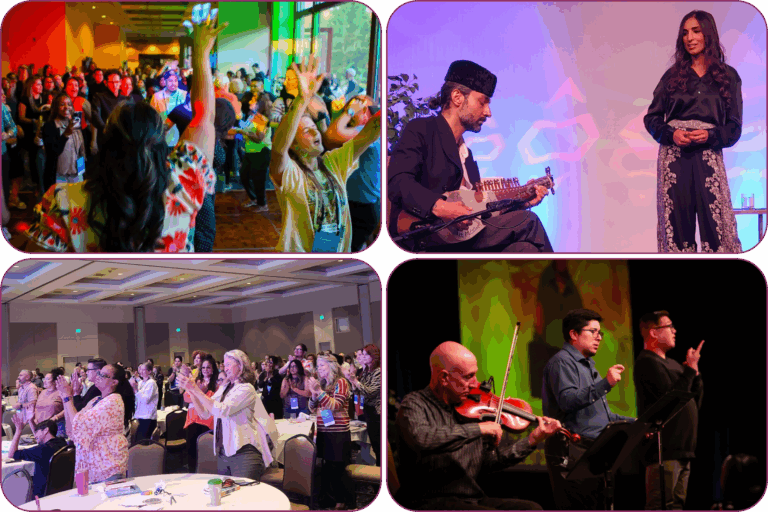
Love in Action August 2025

In this issue we share three lessons to inspire hope and fortify our movements. Lesson three: There will always be someone dancing...
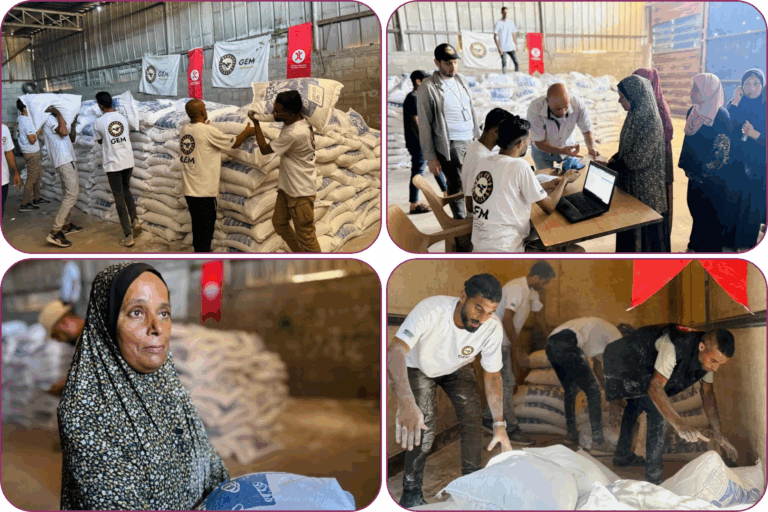
Love in Action July 2025

In this issue we are harnessing our grief and pain into energy and action for families in Gaza. We are continuing to show up courageously with love...
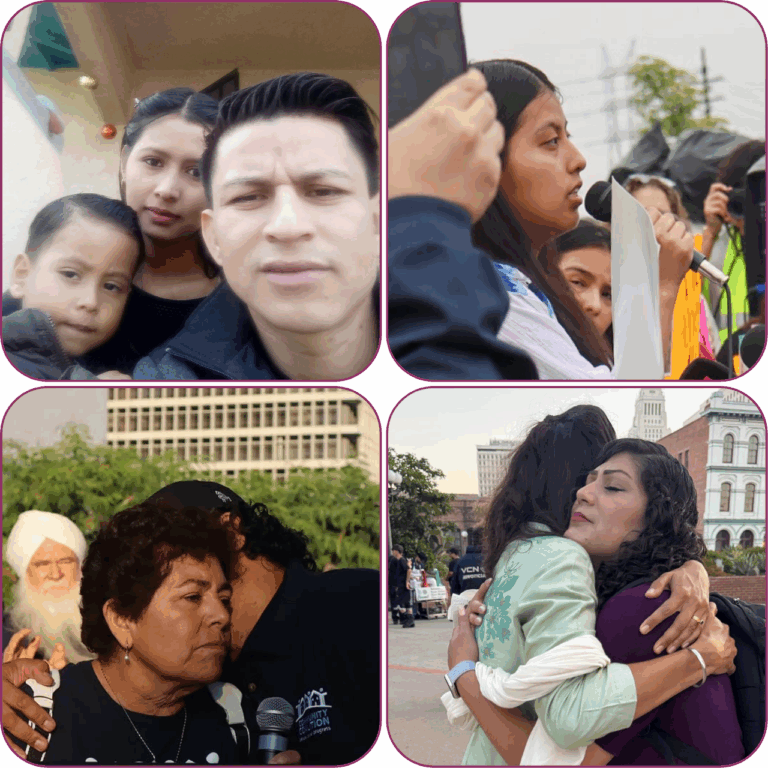
Love in Action June 2025

In this special issue, we’re lifting up immigrant stories, art, and calls to action that demand our courage and solidarity in the face of despair and fear...
Los Angeles Immigration Resources and Calls to Action

Trusted organizations and resources offering accurate information, tools for preparedness, and community defense strategies...
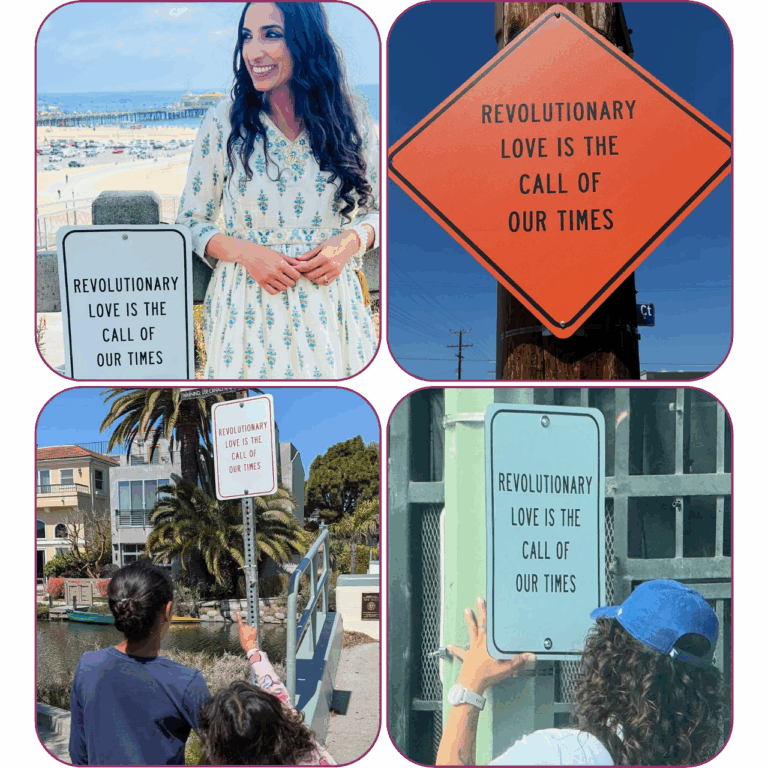
Love in Action May 2025

“Have you seen them?” Street signs with “Revolutionary Love is the call of our times.” are popping up all over California! These signs are declarations of our humanity...
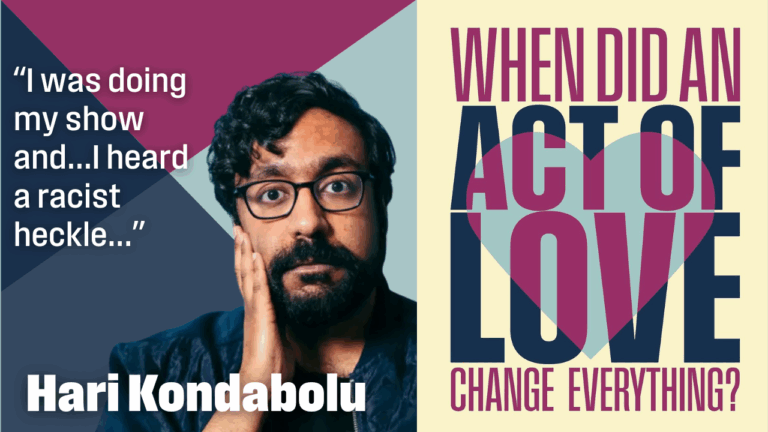
Hari Kondabolu on Confronting Racism, Rage, and Solidarity

Comedian Hari Kondabolu shares a powerful story about confronting racism on stage — and how rage, deep listening, and solidarity can transform harm into healing. Revolutionary Love teaches us: rage...
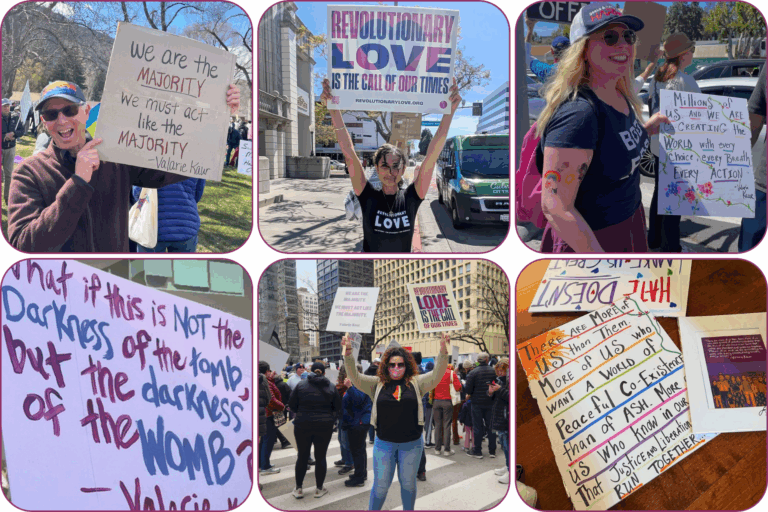
Love in Action April 2025

Amid thousands of protests, people across the country carried signs of Revolutionary Love. Together, we were not just marching—we were bearing witness to a growing movement rooted in love...
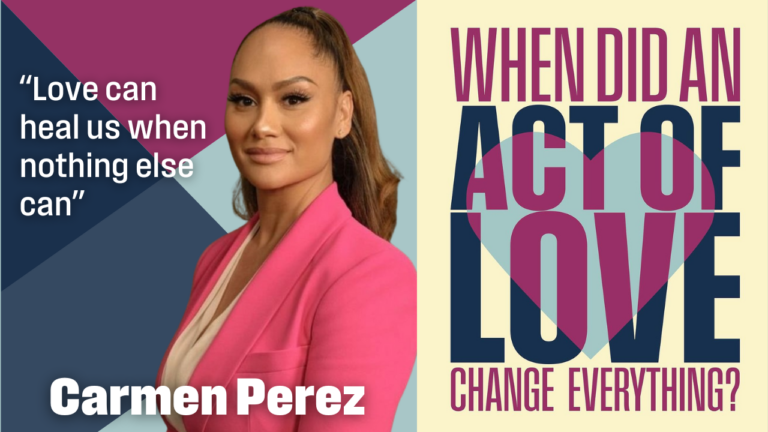
Carmen Perez’s Love Love Story About Grief and Forgiveness

“Grief is the price of love.” – Valarie Kaur What happens when an act of love changes everything? As part of the Revolutionary Love Bus Tour, we asked activists, artists...
Share the Post:
Scroll to Top

We are reclaiming Love as a force for justice.

Let’s keep building together.

**All donations are tax deductible.**